Scaffolding Health & Safety
Nothing matters more than everyone going home safe. Qualified scaffolders, a risk assessment and method statement for every job, and scaffolds built to industry best practice, from the smallest tower to complete buildings.
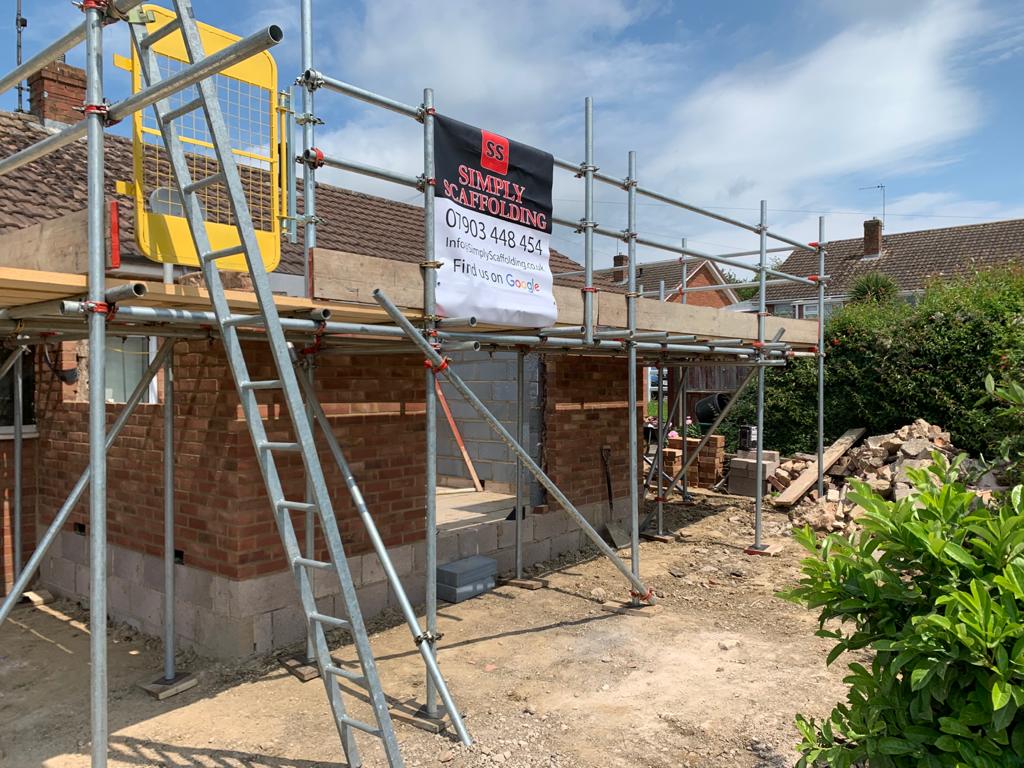
Safe For Everyone On And Around Your Scaffold
A scaffold has to be safe for the people who build it, the trades who work from it, and everyone who lives, works or walks past it. That's why every job starts with planning, not tube and fittings.
Our scaffolders are trained, qualified and carded, and we're fully insured, including for scaffolding in public areas. Every job gets its own risk assessment and method statement, and complex or heavily loaded scaffolds are designed and drawn before they go up.
- CISRS-qualified scaffolders holding CSCS-recognised cards
- Fully insured, including public area scaffolding
- A task-specific risk assessment and method statement for every job
- Scaffold designs and drawings when the job needs them
Safety Built Into Every Stage
From the first site visit to the day the scaffold comes down
Planned before we build
We look at the site, the access, the ground and the people around it, then write a risk assessment and method statement for that specific job, not a generic template.
Qualified scaffolders
Our scaffolders hold CISRS cards, the industry's recognised training scheme, and trainees always work under the supervision of qualified scaffolders.
Built to industry guidance
Standard tube and fitting scaffolds follow the NASC's TG20 guidance. Anything outside it, such as lifting scaffolds or heavy loading bays, gets a full scaffold design.
Safe erection & dismantling
We follow the NASC's SG4 guidance on preventing falls, so our own team is protected while the scaffold goes up and comes down.
Edge protection & safe access
Guardrails, toe boards and brick guards where they're needed, with ladders tied in and safety gates at the access points and loading bays.
Protecting the public
On pavements, shopfronts and busy sites we plan for passers-by, with protection fans, netting, barriers and lighting where the job calls for them.
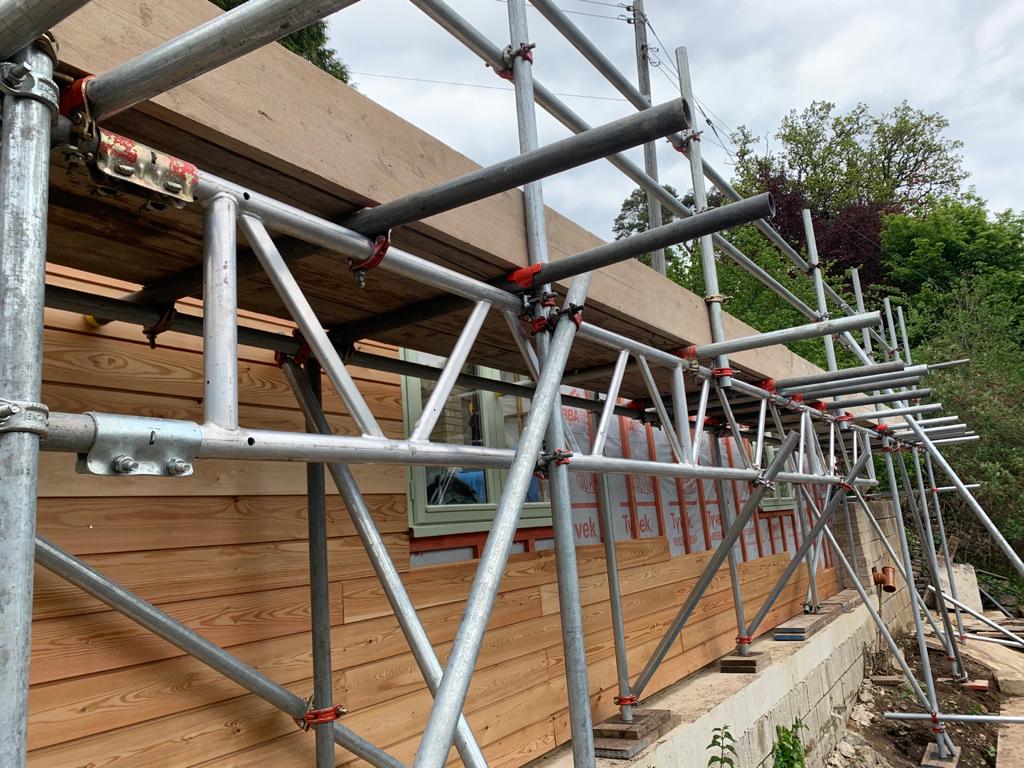
Checked Before Anyone Steps On It
When we finish building, the scaffold is checked and handed over before it's used, and we'll talk you through what it's designed for and any loading limits.
Under the Work at Height Regulations 2005, a scaffold must then be inspected by a competent person:
- Before it's used for the first time
- At least every 7 days while it's in use
- After anything that could affect its safety, such as high winds, storms or alterations
Ask us and we can carry out the regular inspections for you, with a written record each time.
Keeping Your Scaffold Safe
A few simple rules keep you, your family and your trades safe while the scaffold is up. If you're ever unsure, call us.
- Tell us straight away if anything looks damaged, loose or missing
- Have the scaffold checked after storms or high winds before using it
- Keep materials spread out and within the loading we agreed
- Secure or remove ladder access at the end of each day
- Remove or move boards, guardrails, ties or braces. We'll make any changes
- Stack heavy loads on platforms not designed for them
- Let children climb or play on or around the scaffold
- Use the scaffold if it's been altered by anyone other than a Simply Scaffolding team member
Our Scaffolding Services
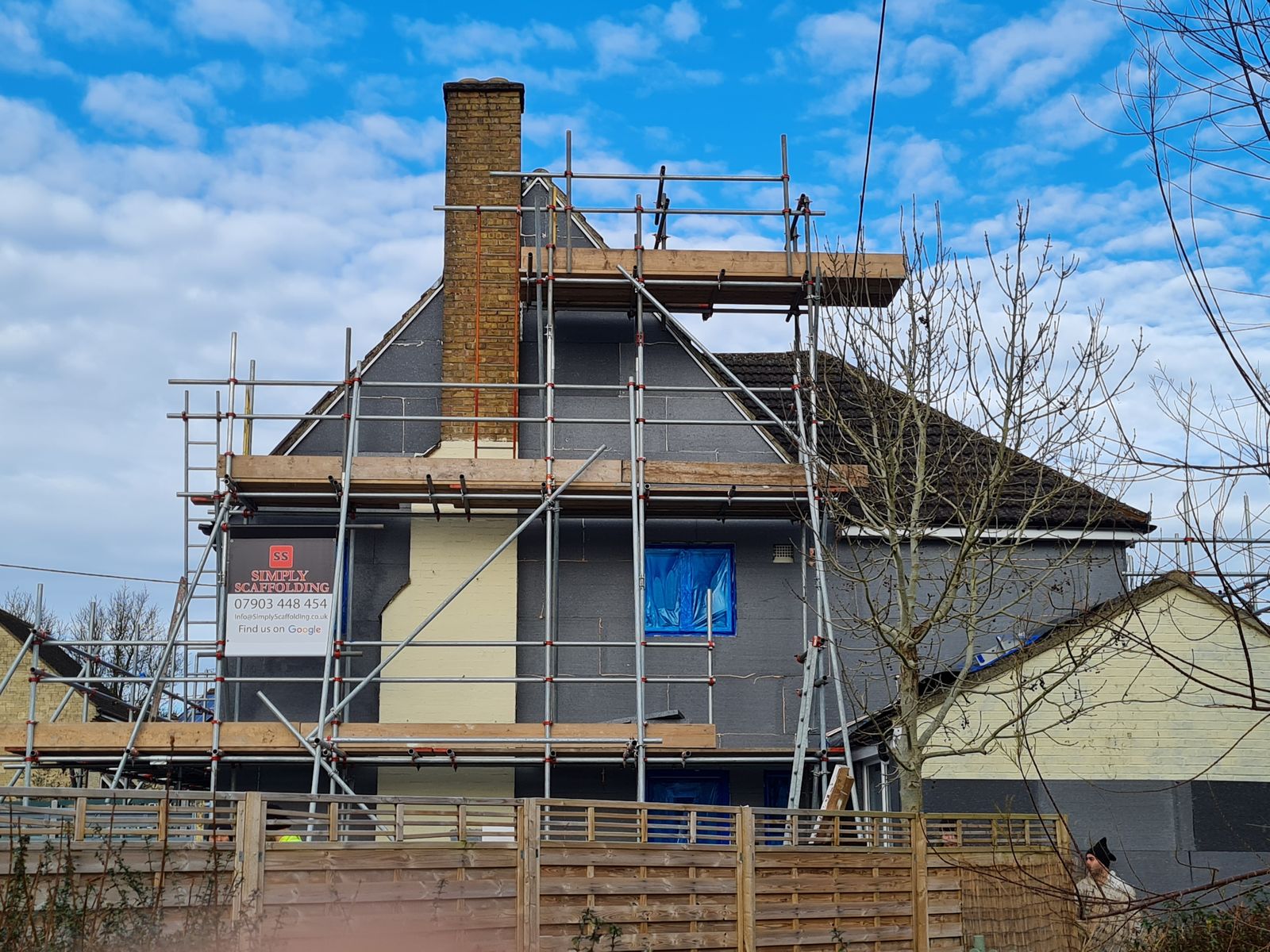
Traditional Scaffolding
Tube and fitting scaffolding for homes, sites and businesses.
Find Out More about traditional scaffolding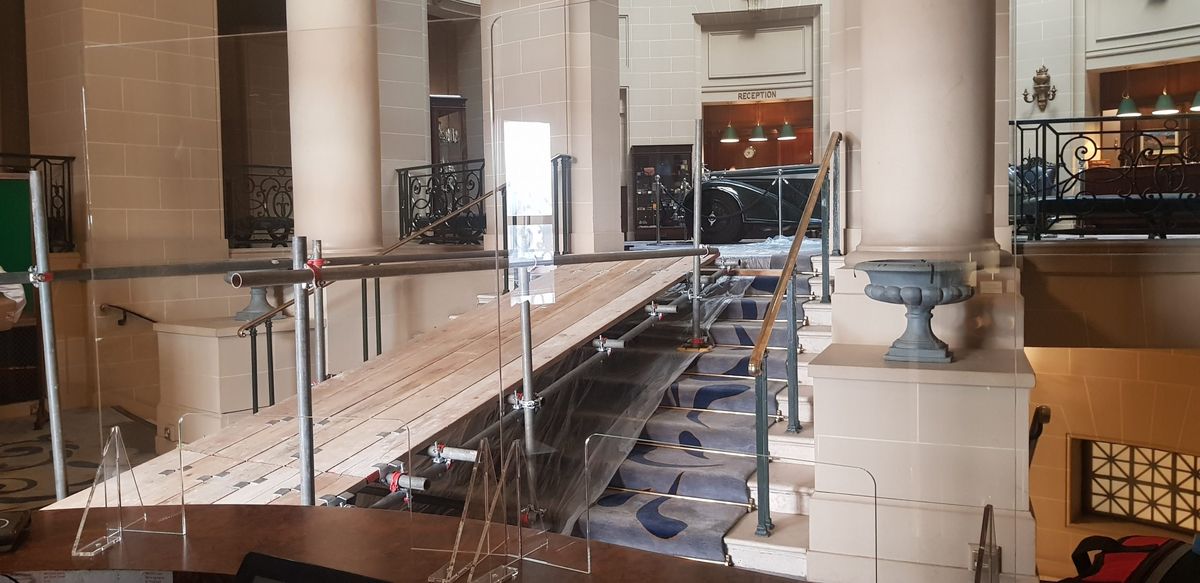
Indoor Scaffolding
Access, lifting and suspending inside buildings when a tower won't do.
Find Out More about indoor scaffolding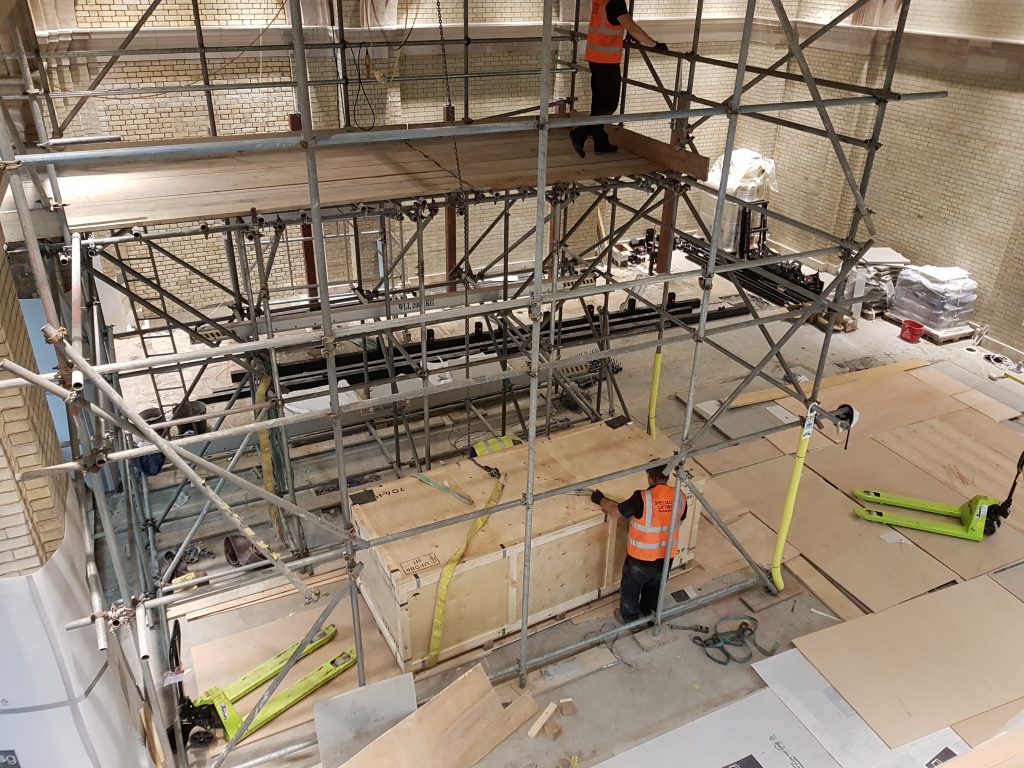
Scaffold Lifting
Heavy loads into awkward places, with Specialist Lifting Solutions.
Find Out More about scaffold lifting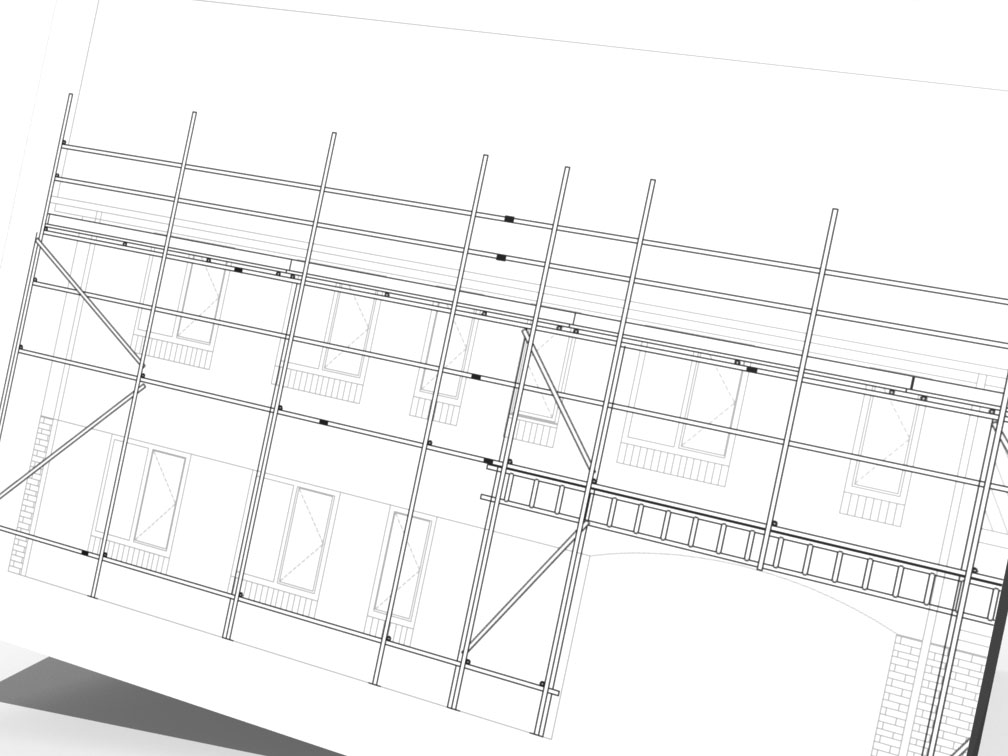
Scaffold Design
Full design and drawing documents for complex or heavily loaded scaffolds.
Find Out More about scaffold designTake The Worry Out Of Scaffolding
We know building projects are planned well in advance. Tell us about yours and we'll make sure the scaffold is safe, on time and right for the job.